Proposals are due by November 23, 2026, at 5 p.m. ET. Read More
State Government websites value user privacy. To learn more, view our full privacy policy.
Secure websites use HTTPS certificates. A lock icon or https:// means you’ve safely connected to the official website.
Main menu
Since 2015, APNEP and NC Sea Grant have funded a joint graduate student fellowship to conduct research in the NC portion of the APNEP region.
APNEP staff work to implement North Carolina's Coastal Habitat Protection Plan (CHPP) in a way that is coordinated and integrated with implementation of our CCMP. The CHPP is a guidance document that addresses the habitat and water quality efforts needed to protect, enhance, and restore fish habitat in North Carolina.
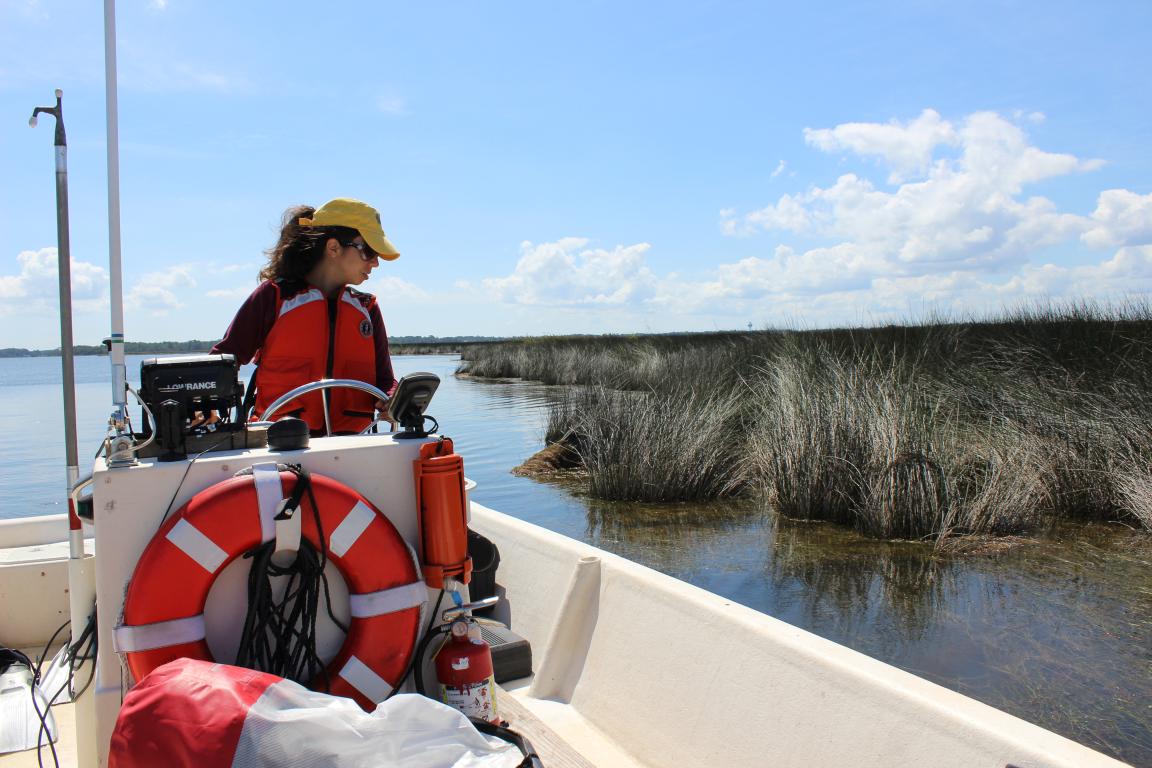
As part of APNEP's efforts to implement adaptive management, the Partnership has been initiating holistic monitoring and assessment of key ecological indicators that will give APNEP and our partners information about the overall health of the Albemarle-Pamlico region.
The ANS Steering Committee works to discuss updates and a timeline for an updated ANS Management Plan at the state and federal level. The Plan will aid in the coordination of NGOs, state, and federal agencies to tackle management and outreach of aquatic invasive species.
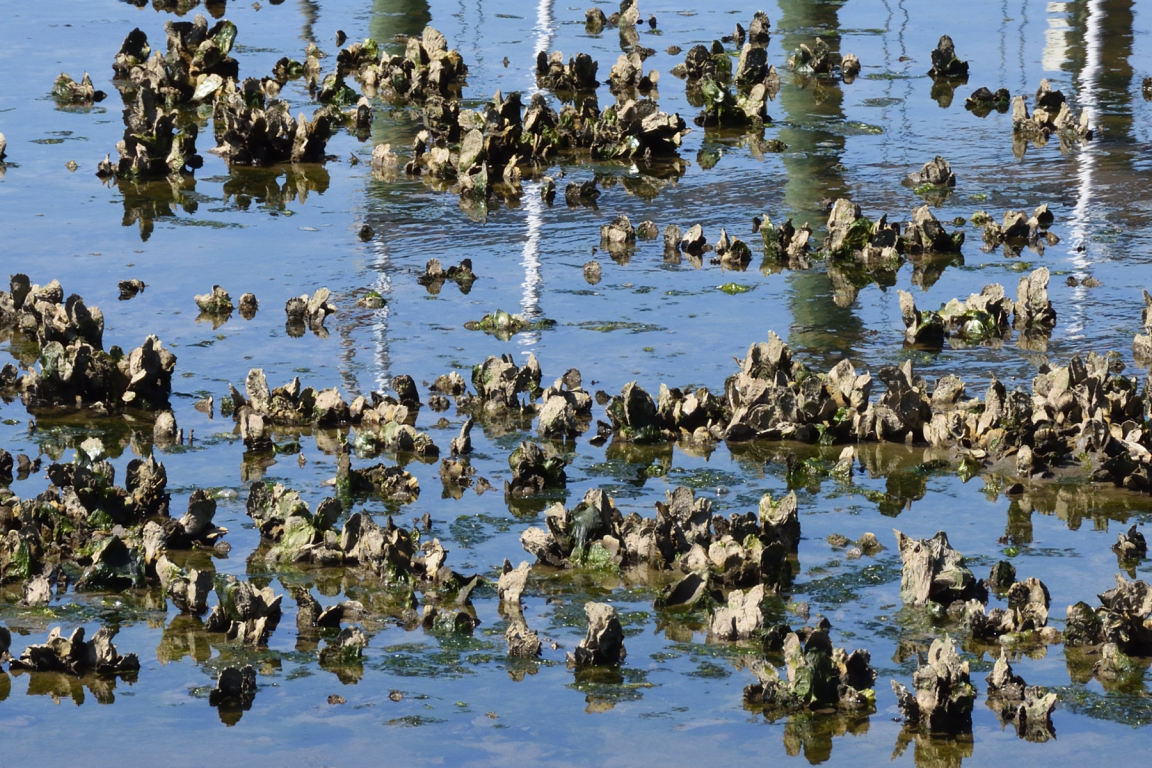
APNEP has partnered with a diverse group of stakeholders involved in growing, harvesting, studying, managing and eating oysters to protect and restore North Carolina's oyster habitats and fishery.
Water quality is essential to the health of the Albemarle-Pamlico estuarine system. APNEP provides funds to monitor water quality to define and address the pressing water quality issues in our region.
To resolve water-related issues on the northern Albemarle-Pamlico peninsula, local governments and conservation land managers requested the Scuppernong Water Management Study.
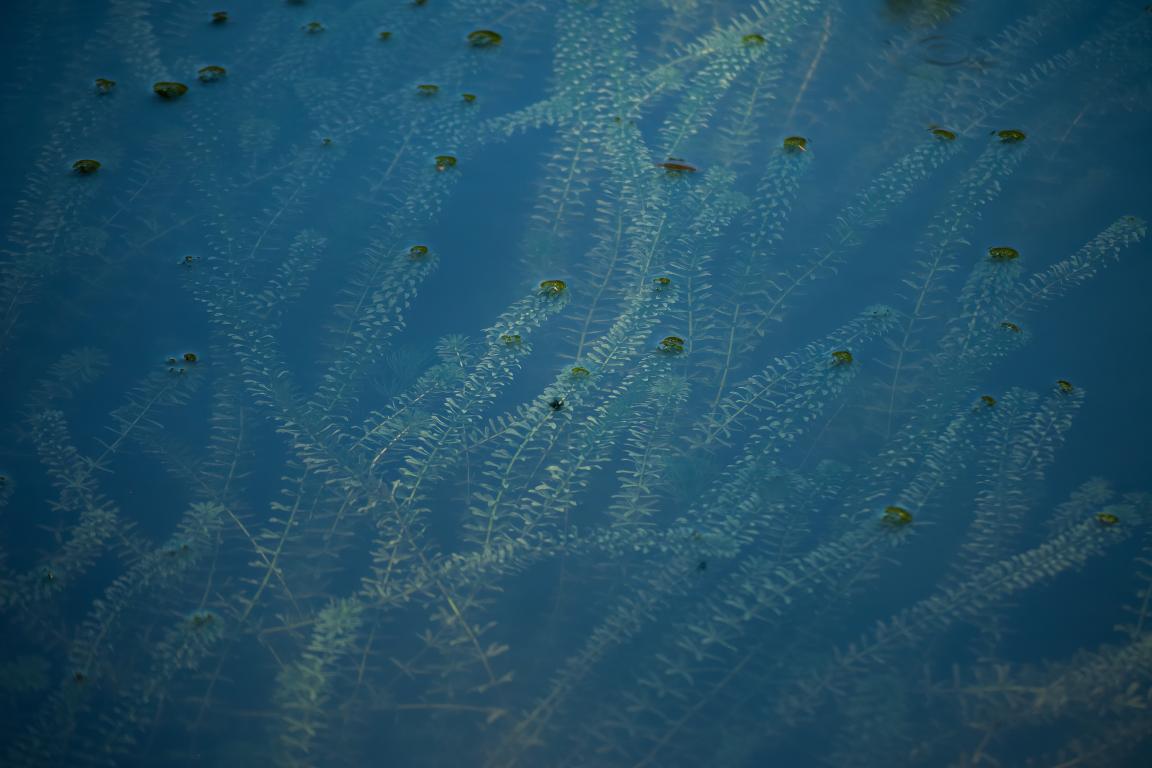
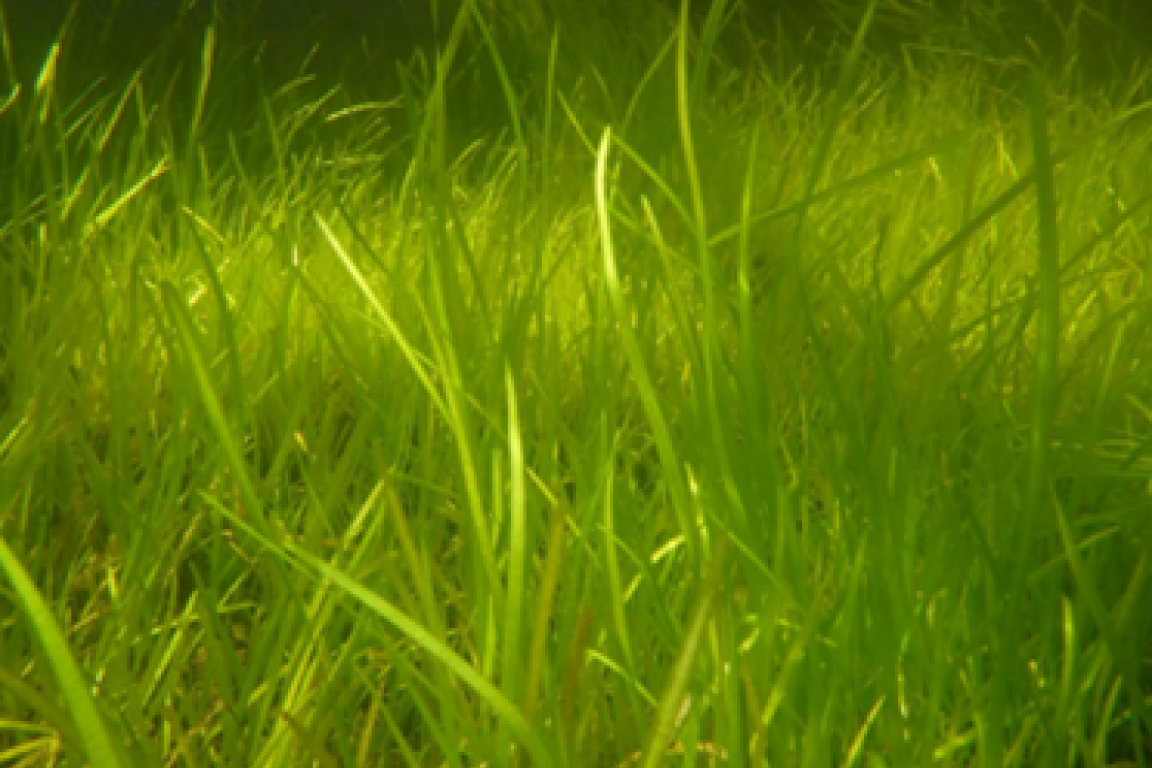
Underwater grasses, also known as submerged aquatic vegetation (SAV), are a critical nursery habitat for many aquatic creatures and help to improve water quality. These underwater meadows are one of North Carolina's most valuable, and fragile, aquatic resources. APNEP works to protect SAV from water quality and disturbance issues that threaten it.
APNEP has been a state leader in monitoring and assessing North Carolina's underwater grasses, or submerged aquatic vegetation (SAV). Alongside our partners, APNEP has developed a region-wide monitoring protocol for SAV, funded and facilitated the creation of the state's first maps of SAV extent, and led discussions about the future of the region's SAV resource.
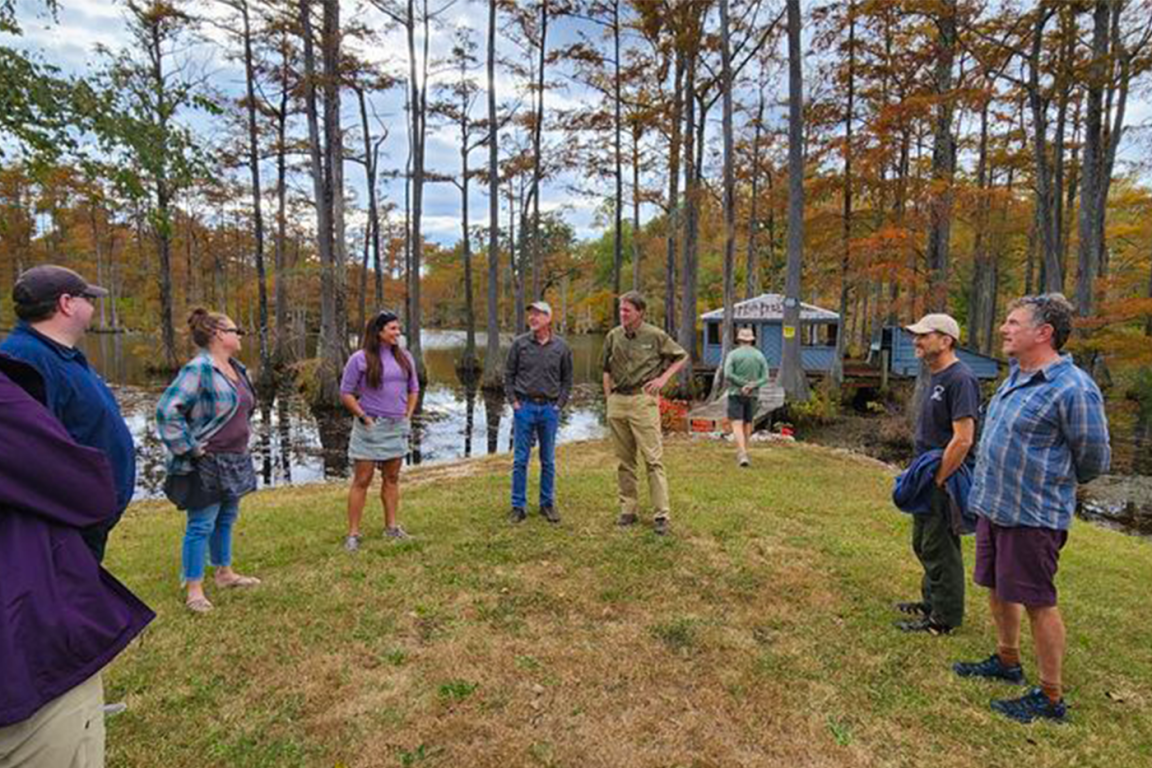
The TCRC team works to build environmental risk and adaptation planning capacity among Native Nations with ties to the Albemarle-Pamlico region through community-led engagement and to educate non-Native resilience practitioners on best practices for including Tribes in environmental planning initiatives.
The project is focused on increasing the use of natural and nature-based features (NNBFs) to increase resilience of coastal communities to flooding caused by storms and extreme weather events. The project is designed to include interaction with local government officials as the target audience for project generated data and guidance.
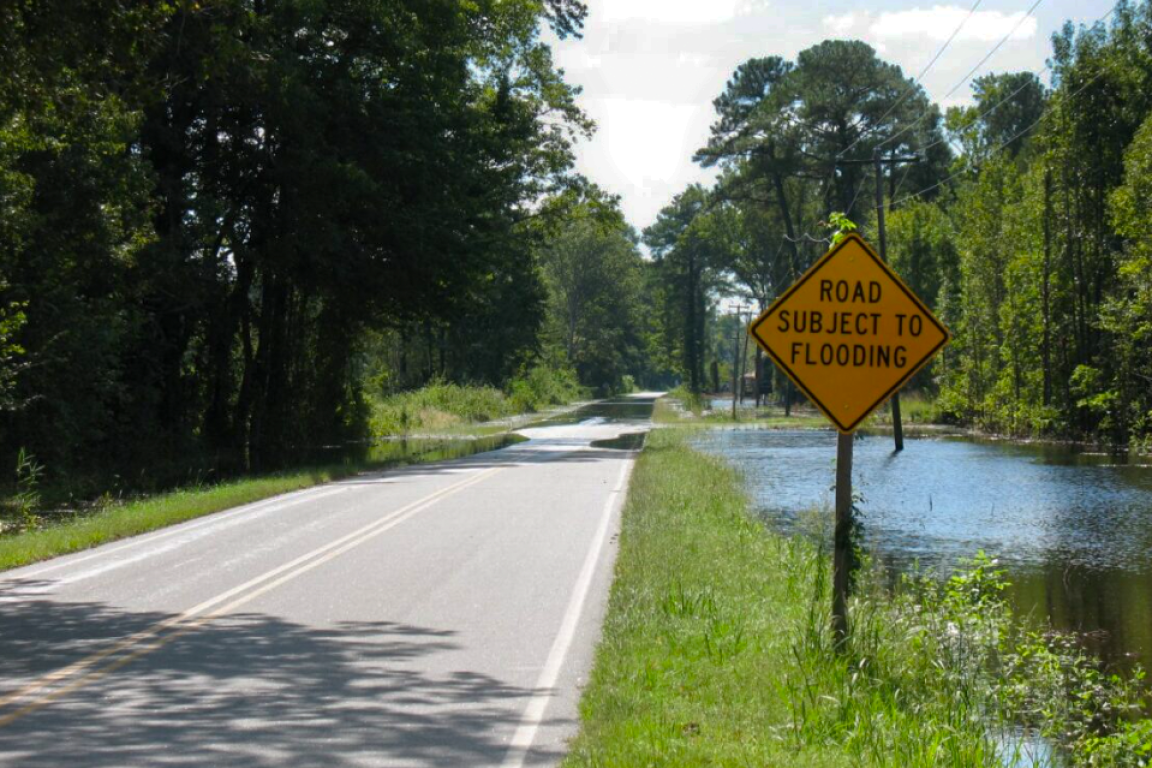
Due to low elevation and proximity to waterways, many areas of the Albemarle-Pamlico region are susceptible to flooding. In response, APNEP has funded the placement of three additional NC Flood Inundation Mapping and Alert Network (FIMAN) remote monitoring stations through the NC Division of Emergency Management.