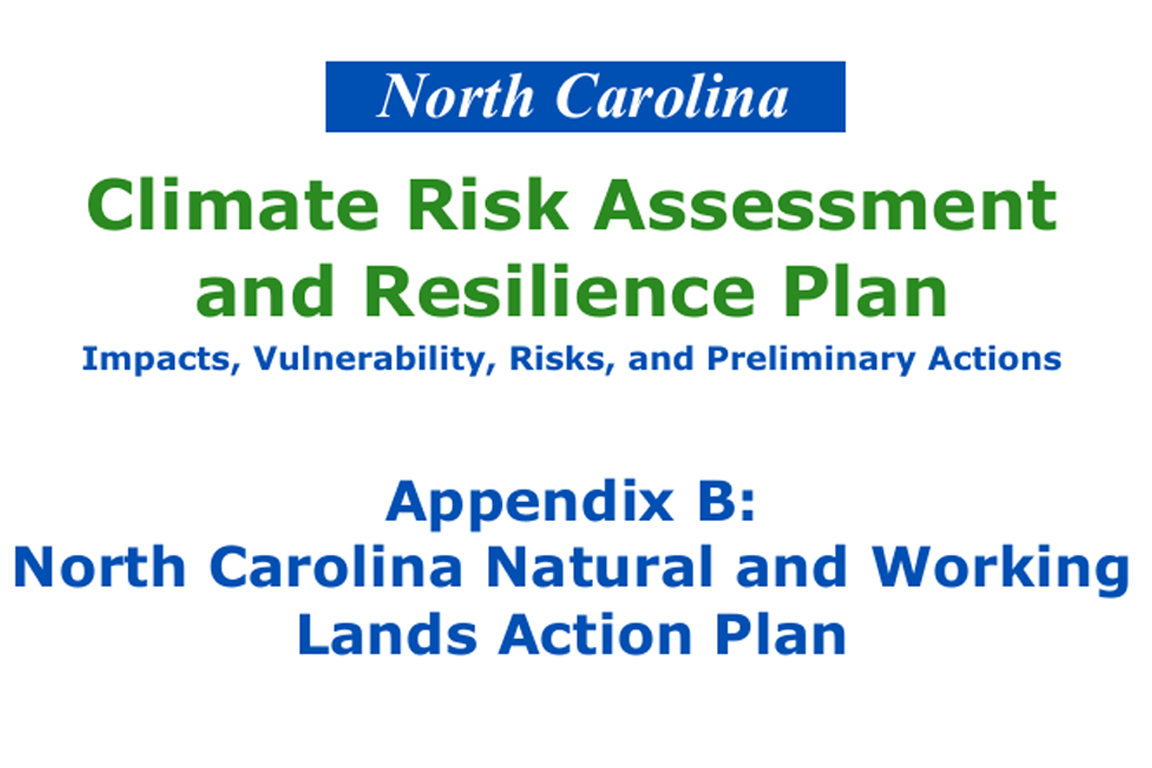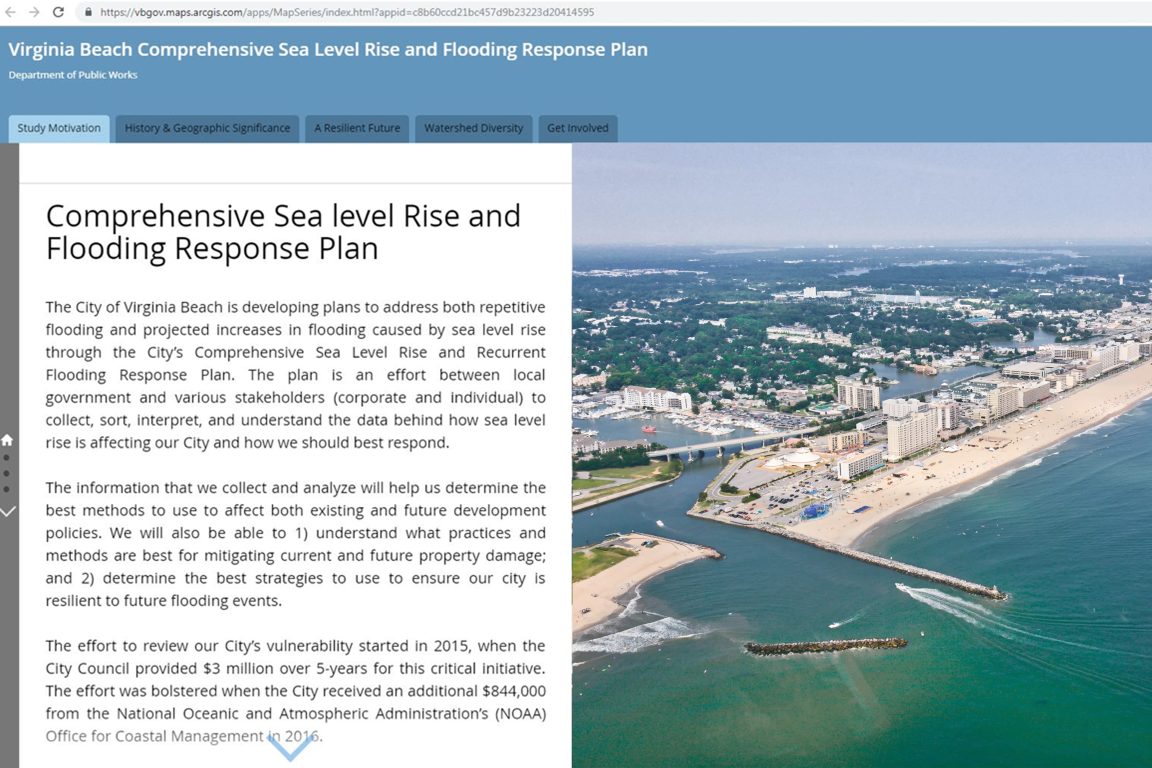
Climate Resilience and Adaptation Initiatives Protecting the estuarine system from climate impacts APNEP supports research, tool development, and engagement efforts to improve the resiliency of estuarine ecosystems and assist communities in addressing the impacts of climate change and sea level rise. Overview Scientists have identified the Albemarle-Pamlico region as one of the country's most vulnerable areas to climate change and associated sea level rise. In the coming years, coastal communities will increasingly consider adopting strategies to minimize the impacts of a changing climate to their residents and natural resources. In particular, rising seas are expected to significantly impact the ecosystems which sustain many of the region's industries, including agriculture, forestry, fishing, development, and tourism. Furthermore, increased flooding and more severe coastal storms may cause considerable economic and emotional hardship to coastal residents. The Albemarle-Pamlico National Estuary Partnership, in conjunction with its partner organizations, has a long history of working closely with coastal communities as they face these challenges. In addition to supporting research and the development of tools and models to help resource managers make informed decisions, APNEP continues to dedicate resources and support towards connecting communities to the best available science and tools as they develop adaptation planning strategies. APNEP Initiatives & Resources APNEP intiatives related to climate change, sea level rise, resilience and adaptation are aligned with the following APNEP Comprehensive Conservation and Management Plan (CCMP) actions. Current and past iniatives can be found using the links below: Climate Tools & Models CCMP Action A2.2: Create and improve projections of land use and climate change related impacts on the regional ecosystem. Climate Research CCMP Action A2.3: Support research on adapting to impacts associated with climate change and sea level rise. Community Resilience Assistance CCMP Action D3.3: Incorporating Sea Level Rise and Climate Change into Local Planning Processes State-Level Initiatives APNEP is currently seeking to integrate and align CCMP related iniatives with state efforts in Virginia and North Carolina to address climate change and sea level rise outlined in the executive orders below: NC Executive Order 80: North Carolina's Commitment to Address Climate Change and Transition to a Clean Energy Economy VA Executive Order 24: Increasing Virginia's Resilience to Sea Level Rise and Natural Hazards APNEP actively participated in the NC Department of Environmental Quality Natural and Working Lands Stakeholder Group and in the development of Coastal Resiliency Regional Workshops and Summit held in 2019. These activities were tied to the development of the North Carolina Climate Risk Assessment and Resilience Plan, which was published in 2020 and required by Section 9 of NC EO80. 2020 North Carolina Risk Assessment and Resilience Plan NC DEQ Climate Adaptation and Resiliency Learn how NCDEQ is working with stakeholders from around the state to protect life, environment, natural resources, and the economy from climate change impacts. NC Division of Coastal Management Adaptation and Resiliency Learn how the NC Division of Coastal Management and partners are working to build resilient coastal ecosystems and communities. Climate Ready Estuaries As a National Estuary Program, APNEP is affiliated with the Environmental Protection Agency's Climate Ready Estuaries Initiative. Past projects under this initative have engaged residents, elected officials, and other stakeholders in discussions regarding local and regional needs to address adapatation and resilience planning at the local level. Projects have included mapping initiatives and water infrastructure risk analyses. Learn more about past projects. Partner Spotlight State Launches NC Resilient Communities Program October 1, 2020 State officials announced the NC Resilient Communities Program in October 2020. This is a new initiative to help North Carolina prepare for the impacts of climate change while reducing damages from future disasters such as hurricanes, flooding, and wildfires. Virginia Announces Coastal Resilience Master Planning Framework October 22, 2020 In October 2020, Virginia Governor Ralph Northam released the Virginia Coastal Resilience Master Planning Framework. This plan lays out the core principles of the Commonwealth’s approach to coastal protection and adaptation, and will serve as a blueprint for implementing Virginia’s first project-driven Coastal Resilience Master Plan by the end of 2021. NC Natural and Working Lands Group Produces Spatial Analyses October 1, 2020 North Carolina’s Natural and Working Lands (NWL) stakeholder group has brought together experts from academia, environmental and community NGOs, and state government agencies, led by the Department of Environmental Quality, to develop recommendations for managing natural and working lands in the state to enhance carbon and resilience benefits. APNEP Director moderates panel on coastal climate impacts APNEP moderated a panel of local experts and stakeholders from Northeastern North Carolina at the Interagency Climate Change Council meeting in Elizabeth City. How North Carolina’s Climate Is Changing — And What Towns Are Doing About It APNEP Leadership Council Vice-Chair Holly White and STAC Co-Chair Jessica Whitehead discuss the VCAPs adapation process conducted with the Town of Nags Head. Comprehensive Sea Level Rise and Recurrent Flooding Response Plan Learn how the City of Virginia Beach and Hampton Roads communities are tackling recurrent flooding and impacts from sea level rise in shared waterways that drain into Albemarle Sound.