Proposals are due by November 23, 2026, at 5 p.m. ET. Read More
State Government websites value user privacy. To learn more, view our full privacy policy.
Secure websites use HTTPS certificates. A lock icon or https:// means you’ve safely connected to the official website.
Main menu
The Restore America's Estuaries Watersheds Grant Program is a nationally competitive grants program designed to support projects that address urgent, emerging, and challenging issues threatening the well-being of estuaries within the 28 NEP location boundary areas.
The Program provides funding to organizations with a common mission of connecting people to the outdoors and supports activities such as archery, boating/paddling, fishing, hunting/recreational shooting, and wildlife viewing. The grant prioritizes programs that are aligned with DWR’s R3 Plan as well as the Inclusive Excellence Plan.
Frontline communities have been historically underfunded and underserved, especially when it comes to advancing environmental and climate justice. FRI shares grant opportunities for across the US and internationally. This resource is not maintained by APNEP.
Grant opportunities provided by DNCR. This resource is not maintained by APNEP.
Preparedness and recovery grants provided by BRIC, EMPG, FMA, HSGP, NGWSGP, SLCGP. This resource is not maintained by APNEP.
North Carolina government grant programs and descriptions. This resource is not maintained by APNEP.
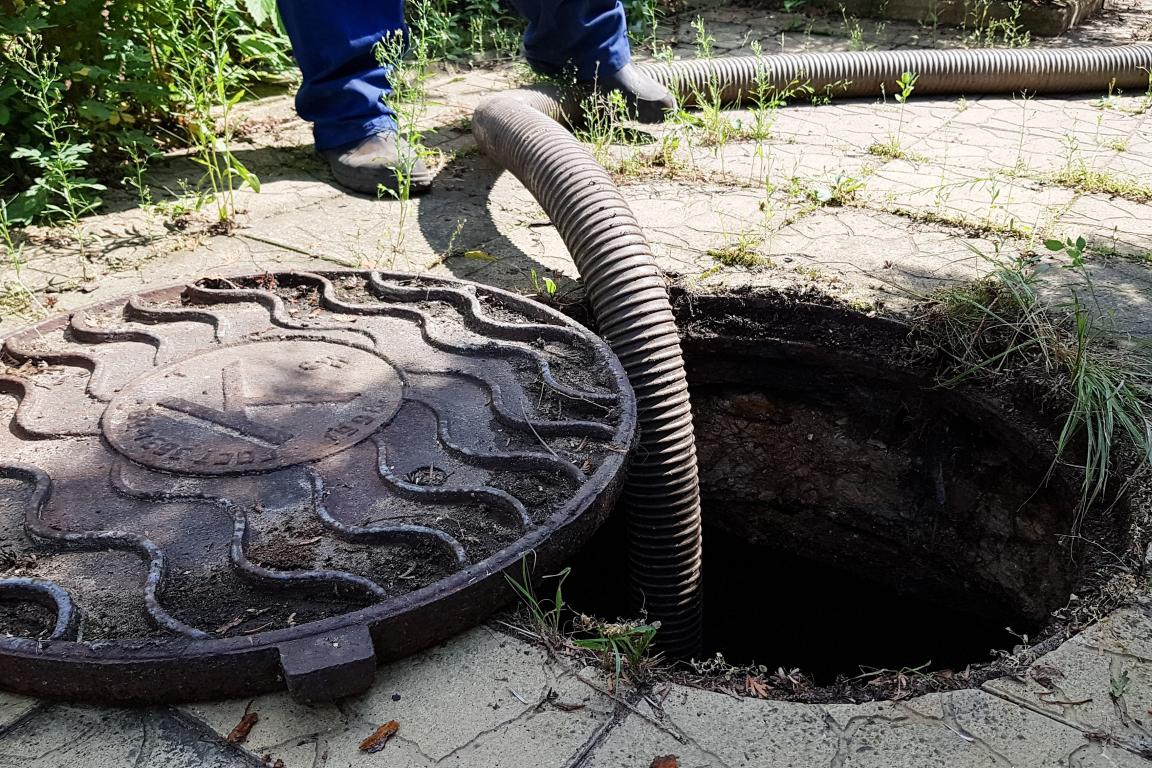
The DWTS Pilot Program is a $1.5 million reserve in the CWSRF dedicated to local government units (LGUs) for rehabilitating, repairing, or replacing DWTSs within their jurisdictions. Through the DWTS Pilot Program, up to $1.5 million in PF is available as a pass-through program for LGUs to offer to homeowners within their jurisdiction, and PF is determined by analyzing median household income and/or disadvantaged area status. The applicant determines qualification criteria for recipients.
Funding is available for local governments, non-profit water companies, and investor-owned water utilities. Applications for these Lead Service Line Replacement funds are open year-round, using a rolling application, and will be awarded in four State Water Infrastructure Authority meetings each year.
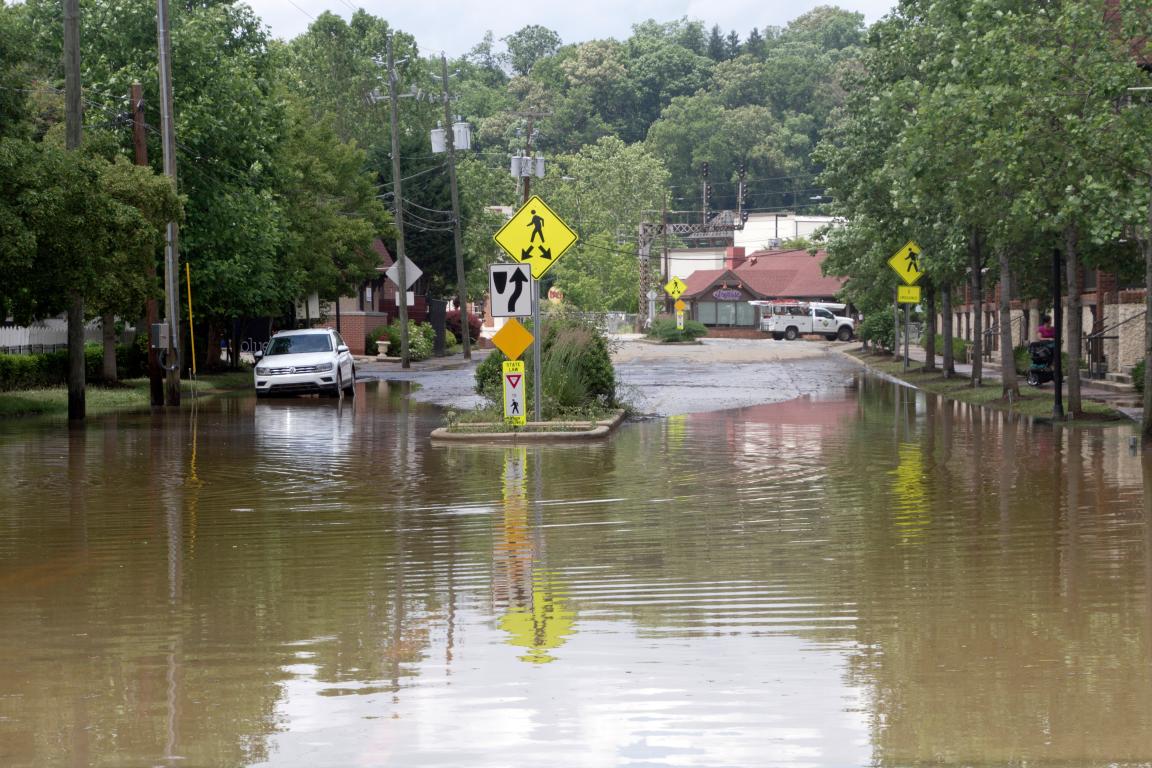
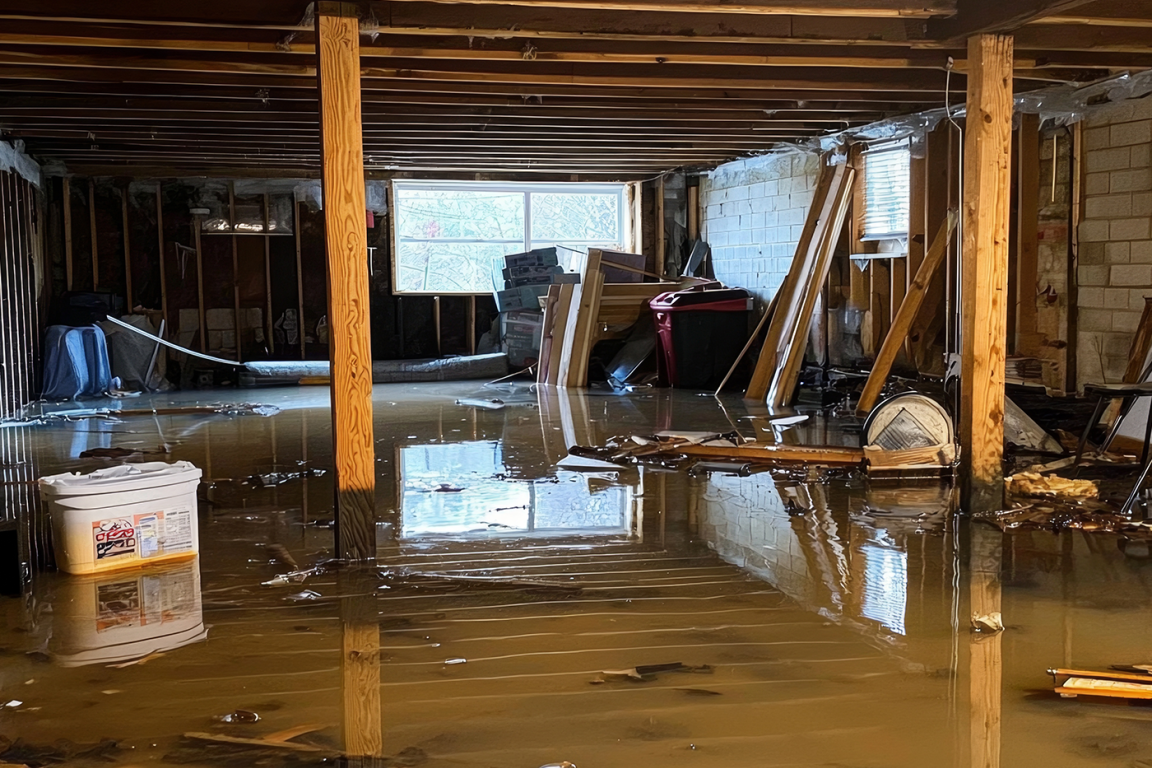
The Flood Mitigation Assistance grant program is a competitive program that provides funding to state, territory and local governments and federally recognized Tribal Nations. Funds are used for projects that reduce or eliminate the risk of repetitive flood damage to buildings insured by the National Flood Insurance Program.
The Individual Assistance program provides assistance to homeowners and renters whose primary residences were damaged or destroyed by a natural or manmade disaster.
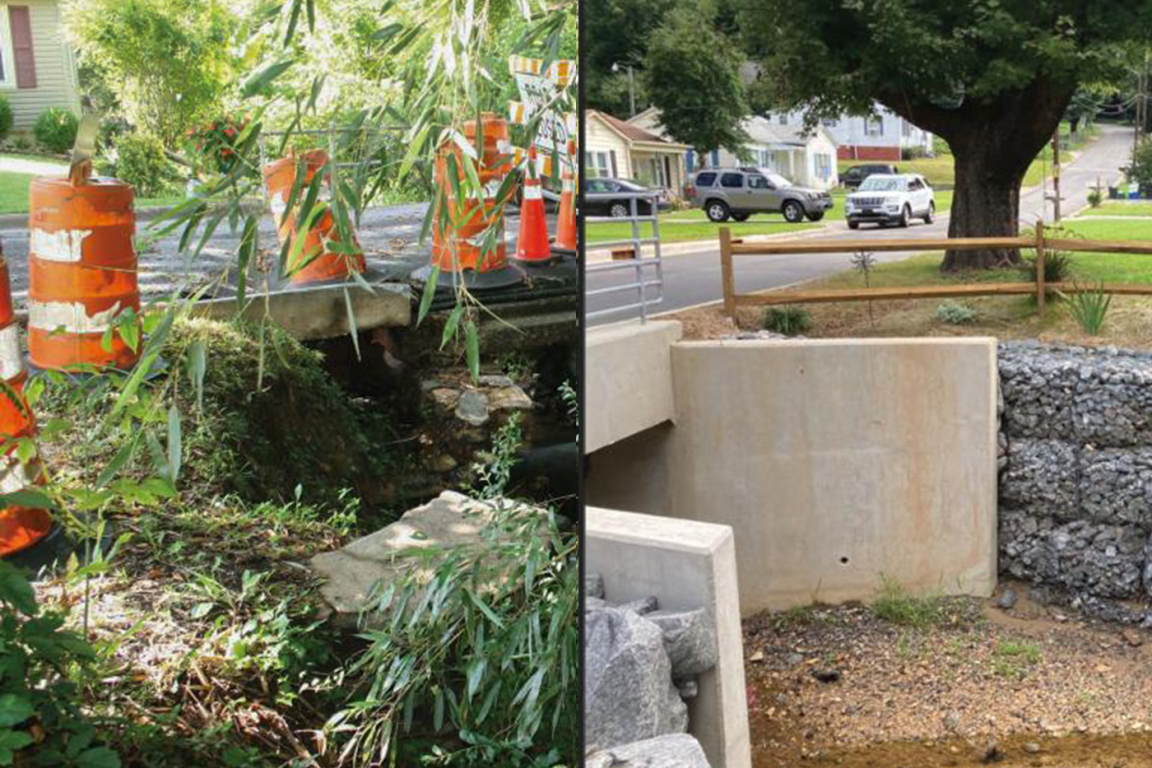
In federally declared disasters, Federal Emergency Management Agency (FEMA) can provide funding and technical help to state and local governments and certain private, non-profit groups. This funding will help to fix or replace damaged public properties such as roads, bridges, buildings and parks that have been damaged or destroyed.
The Land and Water Conservation Fund (LWCF) was established by Congress in 1964 to fulfill a bipartisan commitment to safeguard our natural areas, water resources and cultural heritage, and to provide recreation opportunities to all Americans. Using zero taxpayer dollars, the LWCF invests earnings from offshore oil and gas leasing to help strengthen communities, preserve our history and protect our national endowment of lands and waters
Find funding for building community and ecosystem resilience to the impacts of flooding, heat waves and other climate impacts. Some opportunities include technical assistance. This resource is not maintained by APNEP.
104(g) opportunities are offered by the U.S. Geological Survey and facilitated by WRRI. Proposals must be submitted by NC WRRI on behalf of the researcher. Due to WRRI processing time, all submissions for any of these three opportunities are due to WRRI by 5PM on October 26, 2026
WRRI, NC Sea Grant, and KIETS are now accepting proposals for the Community Collaborative Research Grant (CCRG) program for projects to start in May 2027. Funding is available for one-year projects and awards will range between $5,000-$25,000. Read more!
Funding is available to local government units, non-profit water corporations and investor-owned drinking water companies for planning or construction projects addressing Per- and Polyfluoroalkyl Substances (PFAS) in water or wastewater systems.
The Recycling Business Development Grant (RBDG) program is a recurring annual funding opportunity for recycling businesses in North Carolina to invest in equipment, buildings and infrastructure to divert more materials from landfill disposal and into economic use.
This funding opportunity will support a collaborative, multiple investigator study on high growth river basins, including Cape Fear, Catawba, and Neuse. The performance period is January 1, 2027 – April 30, 2029.
The Community Waste Reduction and Recycling (CWRAR) grant program is a recurring annual funding opportunity for local governments to build lasting capacity to divert materials from the waste stream and / or increase public awareness of recycling.
EPA awarded the DEQ Brownfields Redevelopment Section a $2 million MARC grant to complete site assessments in three historically disadvantaged areas of the state. It will work with our partner communities and contractors to complete these tasks and encourage productive reuse within disadvantaged communities.
The North Carolina Parks and Recreation Trust Fund (PARTF) provides matching grants to local governments to assist with public park and recreation projects. A local government can request a maximum of $500,000 with each application.
Up to $5,000 for field trips with outdoor activities and learning components.
Travel Funding: Up to $5,000 in travel funding for nonprofessional youth sports teams to compete in North Carolina, or out-of-state, sporting events. Host Funding: Up to $25,000 to attract State, regional, area, and national sporting events, tournaments, and programs for nonprofessional youth sporting participants.
The North Carolina Arboretum is currently accepting applications for the 2026-2027 year for Project EXPLORE: a teacher mini-grant program to promote community science in schools! This program is open to ALL North Carolina K-12 teachers who are interested in getting their students outside doing hands-on scientific data collection and reporting. It offers a mini-grant, materials, support from a local environmental educator, and curriculum-based programming correlated to the NC state standards.
New Trailblazers Club Applications & Registration for existing Club Advisors.